
Masters in Microbiology and Immunology
Pursue a research-intensive Microbiology Immunology program
麻豆传媒's Department of Microbiology and Immunology Master's degree is a two-year, research-intensive program. Students are trained in the rigor of the scientific method by proposing and completing a research project under the direction of a faculty mentor.
Graduates of 麻豆传媒's Master of Science in Microbiology and Immunology will possess the knowledge, skills, and professional values to pursue a career in the pharmaceutical, biotech, or biomedical industries. Additionally, graduates are equipped to succeed in more advanced research, teaching, or administrative positions and will have a foundation to become leaders in their chosen fields.
Our Commitment To You
KNOWLEDGE:
Students will receive broad training in the biomedical sciences and specialized training in microbiology and immunology. This wide knowledge base provides flexibility to apply for a variety of careers.
SKILLS:
Students will gain the technical expertise in molecular biology and other areas, such as biochemistry, immunological techniques, enzyme assays, and cell culturing. As importantly, students will be able to enhance their communication and presentation skills.
PROFESSIONAL VALUES:
Students learn and study in an environment that values ethics, collaboration, honesty, and knowledge.
Curriculum
During the first year, students will become well-rounded in their understanding of biomedical sciences by participating in introductory courses in Molecular Biochemistry, Cell Biology, and Methods in Biomedical Sciences. Subsequently, students will receive specialized training in Microbiology, Immunology, and Virology in the second half of the year. Complementing this coursework is ethics training. Students will take a total of 30 credit hours for the program.
The program emphasizes research. Students are expected to undertake independent, original experiments culminating in a new and significant contribution to scientific knowledge. Major areas of research emphasis include: Molecular and Cellular Immunology, Neuroimmunology, Cancer Immunology, Immunodermatology, Mucosal Immunology, Viral Immunology, Molecular Biology, Genetics, Pathogenic and Diagnostic Microbiology, Molecular Virology, Viral Pathogenesis, Microbial Genetics, and Microbial Physiology.
A member of the graduate faculty collaborates closely with students; the Graduate Program Director provides guidance in all aspects of the program, including course and rotation selection. During the first semester, students rotate through several research laboratories. At the end of this training period, students select a mentor and an area of research aligned with their interests and goals. Mentors provide advice and direction on the research project, they monitor a student's progress through the program, and provide other guidance needed for the student to complete the program successfully.
A core value of this program is helping to ensure that students can communicate effectively -- whether that's writing an article, preparing a grant proposal, or delivering a presentation. The best lecturers and teachers keep audiences engaged and express their thoughts clearly. To prepare students for this aspect of a science career, students have the opportunity to gain part-time teaching experience and to participate in first year journal club, a weekly exercise in communications training. The program also sponsors special seminars (different from research seminars) during which professional writers work with students to improve and strengthen their writing skills.
Finally, the program offers students opportunities to present their research and practice presentation skills in informal and formal venues, including:
- Weekly lab meetings
- Friday meeting, an informal, department-wide hour long lab meeting in which three individuals from different labs present their research
- Department-sponsored journal clubs
- Annual department retreat and/or the Immunology retreat (often an informal poster presentation)
- Thesis seminar at the conclusion of the research program
Course Catalog
- M
Admission
Ready to apply? This is a good place to start.
The Admissions Committee, led by Edward Campbell, PhD, will review applications beginning in December and continue until spaces are filled, completing admissions by Spring of the following year. While applications received throughout the admissions cycle are reviewed, those received early in the cycle have a greater likelihood of success. As this program is research-intensive, students who show clear evidence of research potential will be given the highest priority for admission. The Admissions Committee will invite selected candidates to interview via video conference, followed by which the Committee will make their decision and notify the student candidate.
DEADLINES
We accept applications for the MS in Microbiology and Immunology on a rolling basis. Early application is encouraged; we begin evaluating applications in early December. The application final decision deadline is June 15 each year; there is no application fee for online submission.
APPLICATION PROCESS
- COMPLETED APPLICATION
- or mail application to:
Graduate and Professional Enrollment Management
Loyola University Chicago
820 N. Michigan Avenue, Suite 1200
Chicago, IL 60611
- TEST SCORES
- GRE scores are welcome but generally not required from applicants who received an undergraduate degree in a relevant topic from a US Institute.
- Applicants who received an undergraduate degree from a non-US Institution are required to submit GRE scores (Verbal, Quantitative, and Analytical exams) within the past four years to Loyola University Chicago. We also recommend applicants take the Subject Exam in Cell and Molecular Biology.
- OFFICIAL TRANSCRIPTS
- Applicants should have completed a bachelor's degree. Transcripts for all undergraduate and graduate work are required for admission.
- Applicants who attended a non-US institution need to submit transcript evaluations and this cannot be waived.
- LETTERS OF RECOMMENDATION
- Applicants must submit three letters of recommendation.
- STATEMENT OF PURPOSE
- Your statement of purpose should be a brief, one page statement that explains your interest in this program.
- INTERVIEW
- An interview via video conference is required.
Please note: the only documents that cannot be uploaded with an application are transcripts and official test scores. Please send those documents directly to: gradapp@luc.edu.
International applicants must have a degree equivalent to a U.S. Bachelor's degree and are required to submit the above documents and:
- TOEFL or IELTS scores
- A Declaration and Certification of Finances Form
- Evaluations of international transcripts by the is required.
- who received an undergraduate degree from an Institute outside the US are required to submit GRE scores (Verbal, Quantitative, and Analytical exams) from within the past four years to Loyola University Chicago. We recommend applicants also take the Subject Exam in Cell and Molecular Biology.
Please note: the only documents that cannot be uploaded with an application are transcripts, official test scores, and transcript evaluations. Please send those documents directly to: gradapp@luc.edu
Questions? Email Student Program Recruiter Donna Buczek.
Tuition and Financial Aid
The Biomedical Sciences Graduate Programs and 麻豆传媒's Financial Aid Office are committed to helping students secure the financial resources to make their education at Loyola affordable.
Faculty
Students will work closely with faculty-mentors. about our faculty.
Outcomes
An MS in Microbiology and Immunology will prepare graduates for a career in Pharma, Biotech. and related industries. Graduates will have strong academic, research, and communication skills, which can help them become a leading candidate for additional graduate study.
News & Events
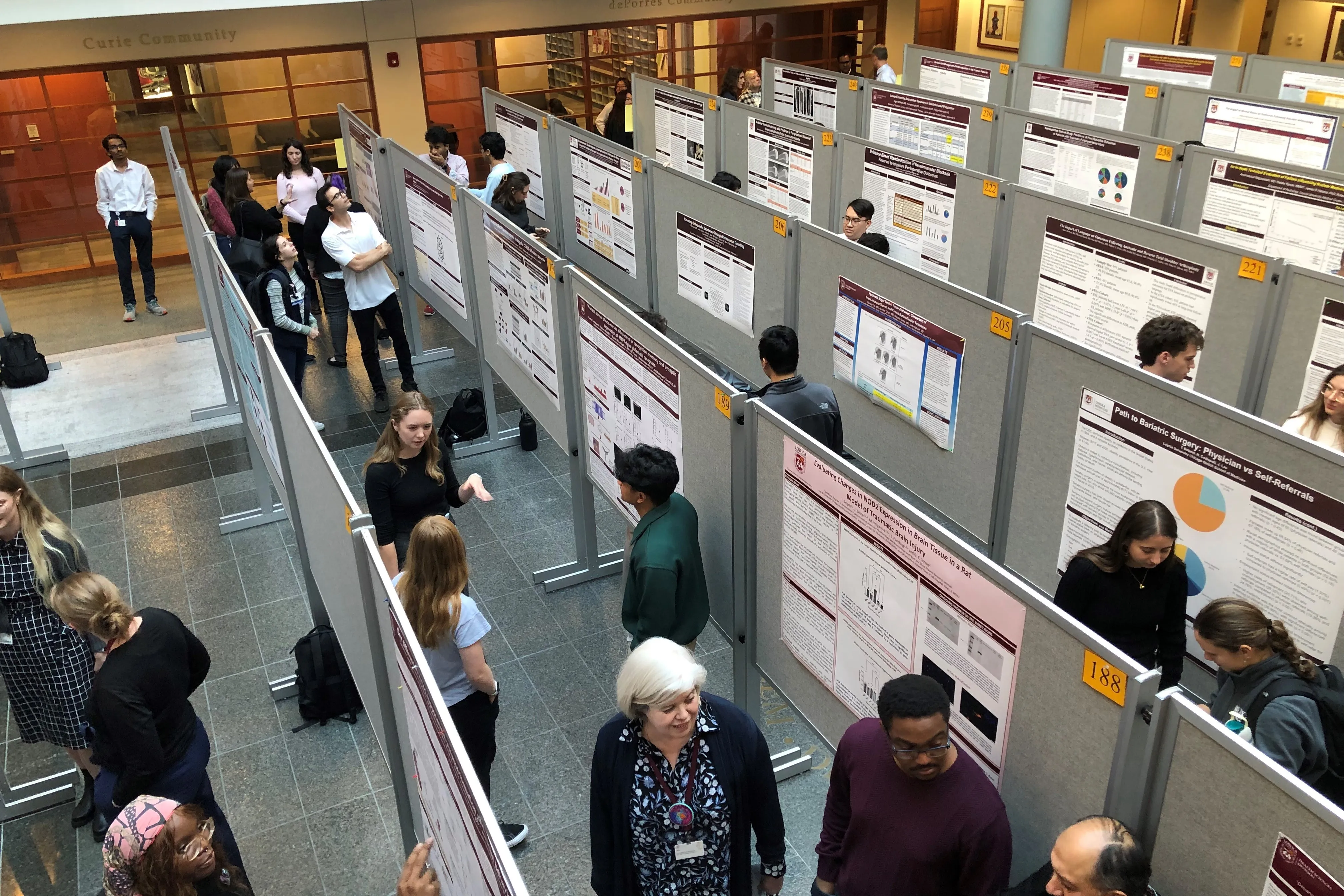
St. Albert's Day 2024
Salutes student research in the Graduate School, Stritch School of Medicine, Marcella Niehoff School of Nursing and Parkinson School of Public Health.
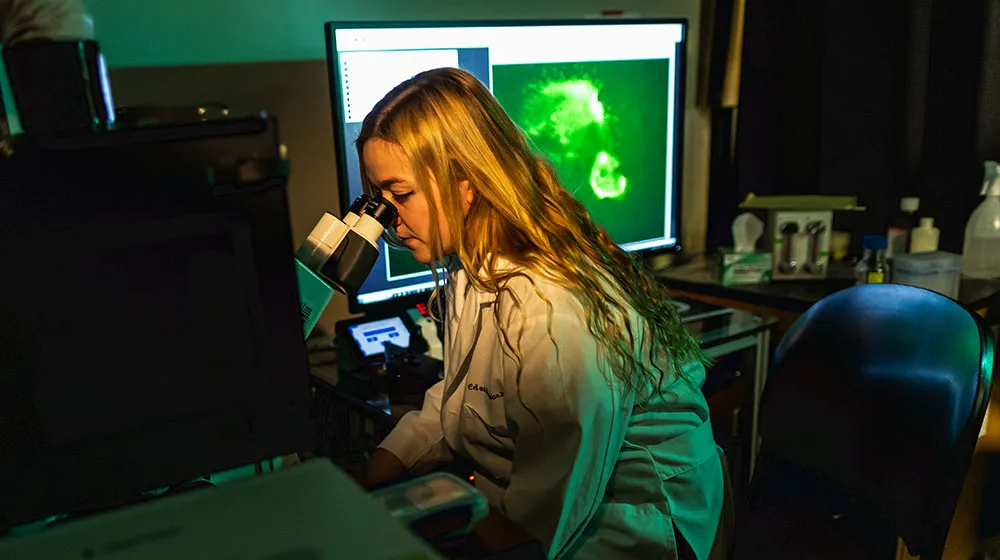
Super Resolution Microscope
Super-Resolution Microscope acquired by Health Sciences Campus is a game-changer for research in 麻豆传媒's Graduate Biomedical Programs.
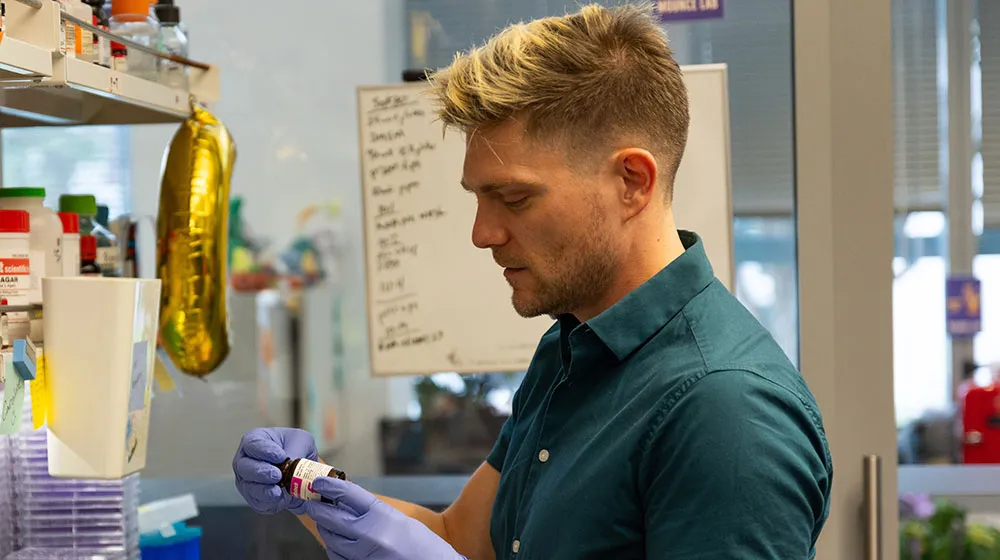
Loyola University Chicago Research Uncovers New Antiviral Targets
Loyola Researchers Uncover New Antiviral Targets in Cellular Metabolism